Tennessee draws millions of visitors each year for its live music scene in Nashville, its mountain landscapes in the east, and its deep-rooted cultural heritage stretching from Memphis to the Appalachian foothills. Whether you're booking a weekend in Nashville's Music Row district or heading toward the quieter hill towns near Copperhill, the state offers a genuinely wide spectrum of luxury hotel experiences - from urban 4-star properties steps from iconic venues to mountain-view retreats with balconies and billiard rooms. This guide cuts through the noise and helps you decide which luxury stay in Tennessee actually matches your travel style and itinerary.
What It's Like Staying in Tennessee
Tennessee spans over 1,000 kilometers from the Mississippi River to the Appalachian Mountains, meaning the experience of staying here varies dramatically by city. Nashville operates at a fast urban rhythm with heavy foot traffic around Broadway and Music Row, while smaller cities like Copperhill and Crossville move at a far more relaxed pace with scenic outdoor surroundings. Nashville's tourism peaks sharply in spring and fall, which means hotel rates and street crowds rise significantly during those windows - planning ahead is essential. The eastern Tennessee towns near the Cherokee National Forest attract hikers, cyclists, and nature-focused travelers who want mountain access without the urban density.
Pros:
- Tennessee offers diverse stay environments - walkable urban cores in Nashville and peaceful mountain towns in the east, all within the same state
- Strong road connectivity via I-40 and I-24 makes it practical to cover multiple destinations without relying on public transit
- Nashville International Airport serves the western half of the state well, with McGhee Tyson Airport covering the east
Cons:
- Public transportation outside Nashville is limited - a car is effectively required for most Tennessee itineraries
- Nashville's downtown entertainment district generates significant noise, which can affect stays near Broadway even in upscale properties
- Smaller Tennessee towns offer fewer same-day restaurant or entertainment options, which may frustrate travelers used to urban amenities
Why Choose Luxury Hotels in Tennessee
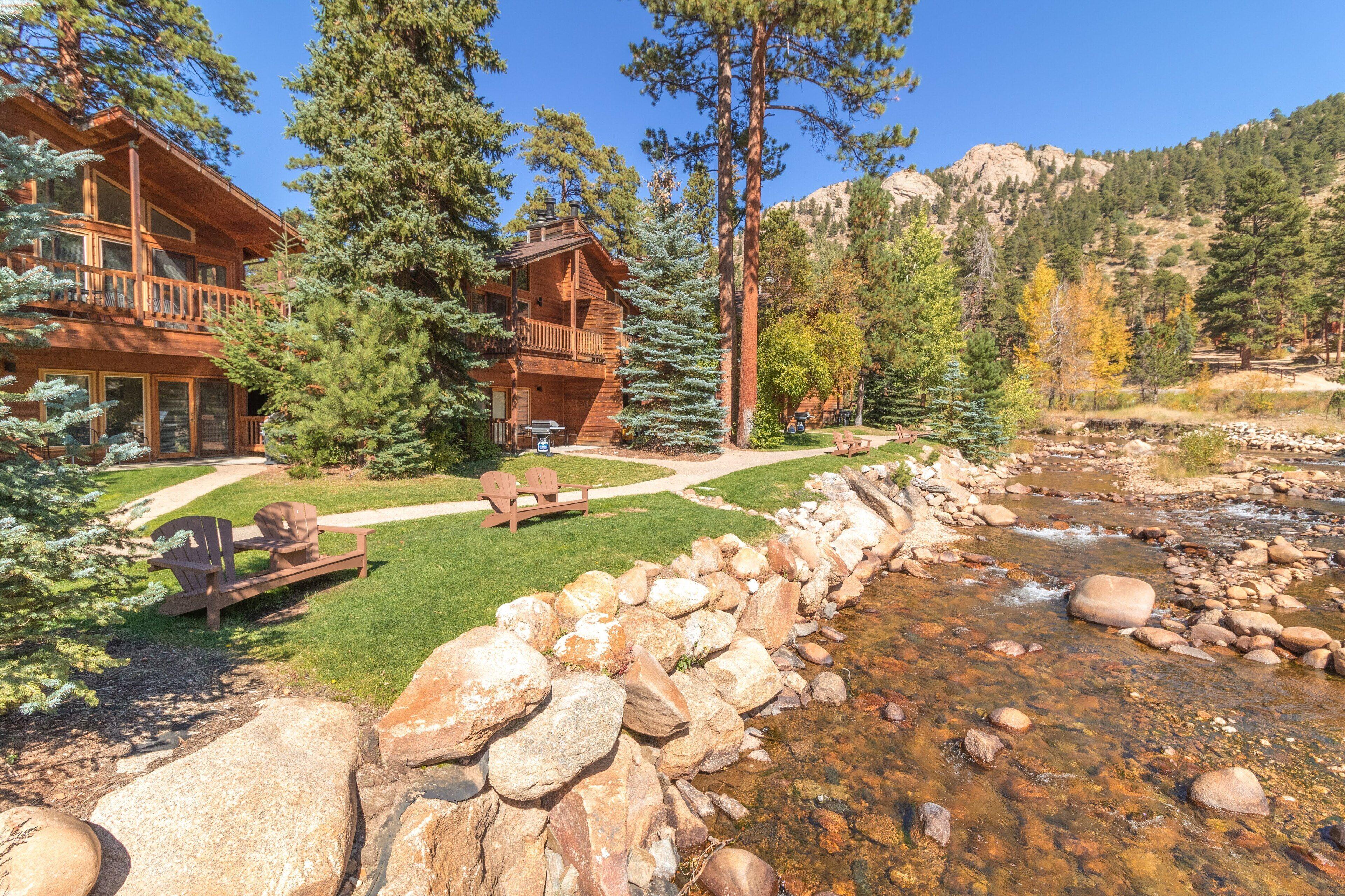
Luxury hotels in Tennessee don't follow a single template. In Nashville, 4-star properties on Music Row combine proximity to live music venues with fitness centers, outdoor pools, and curated urban amenities. In contrast, luxury in Copperhill or Crossville translates to mountain-view balconies, barbecue terraces, and access to hiking trails - a fundamentally different proposition at comparable or lower price points. Urban luxury in Nashville typically commands higher nightly rates than equivalent-rated properties in smaller Tennessee cities, making the eastern and central towns genuinely compelling for travelers who want upscale comfort without the Nashville price premium. Room sizes also tend to be more generous outside the capital, where properties can allocate more square footage per guest.
Pros:
- Luxury properties in smaller Tennessee cities often include free private parking and breakfast - costs that add up quickly in Nashville
- Mountain-area luxury hotels give direct access to hiking, cycling, and scenic landscapes without needing to travel far from the property
- Nashville luxury hotels on Music Row position guests within walking distance of Vanderbilt University, Ryman Auditorium, and Bridgestone Arena
Cons:
- High-demand Nashville properties can book out around 6 weeks in advance during festival season, limiting last-minute flexibility
- Luxury hotels in rural Tennessee areas may have limited on-site dining compared to city counterparts
- Properties rated as luxury in smaller cities may not match the full-service amenity depth of Nashville's top-tier hotels
Practical Booking & Area Strategy for Tennessee
Nashville is the most strategically connected base in the state - Nashville International Airport sits around 11 km from the city center, and properties on Music Row place guests within 2 km of Bridgestone Arena, Ryman Auditorium, and the broader entertainment corridor. For travelers focused on outdoor activities, Copperhill and Cookeville offer mountain and park access with significantly less booking competition than Nashville, even during peak fall foliage season. Crossville sits centrally along I-40 and works well as a stopover hub between Nashville and Knoxville, with Cookeville's Dogwood Park and the Cookeville Depot Museum within easy reach. Cleveland, Tennessee positions guests roughly 40 km from Chattanooga's Tennessee Aquarium and Hunter Museum of American Art, making it a practical lower-cost alternative to staying directly in Chattanooga. Book Nashville properties at least 4 weeks ahead for spring and October travel, as CMA Fest and fall tourism consistently fill high-quality inventory early.
Best Value Luxury Stays in Tennessee
These properties deliver strong value across Tennessee's smaller cities and towns, offering upscale amenities, free parking, and scenic surroundings at rates that undercut comparable Nashville options.
-
1. The Mallard Hotel & Suites
Show on map


 Check-infrom 15:00 until 23:59Check-outfrom 10:00 until 11:00
Just a few rooms left at the best rate!
fromUS$ 148
-
2. Super 8 By Wyndham Cookeville, Tn
Show on map


 Check-infrom 14:00 until 23:59Check-outfrom 11:00 until 12:00
Just a few rooms left at the best rate!
fromUS$ 64
-
3. Economy Inn
Show on map


 Check-infrom 14:00 until 23:00Check-outfrom 10:00 until 11:00
Hurry – almost gone at this price!
fromUS$ 60
-
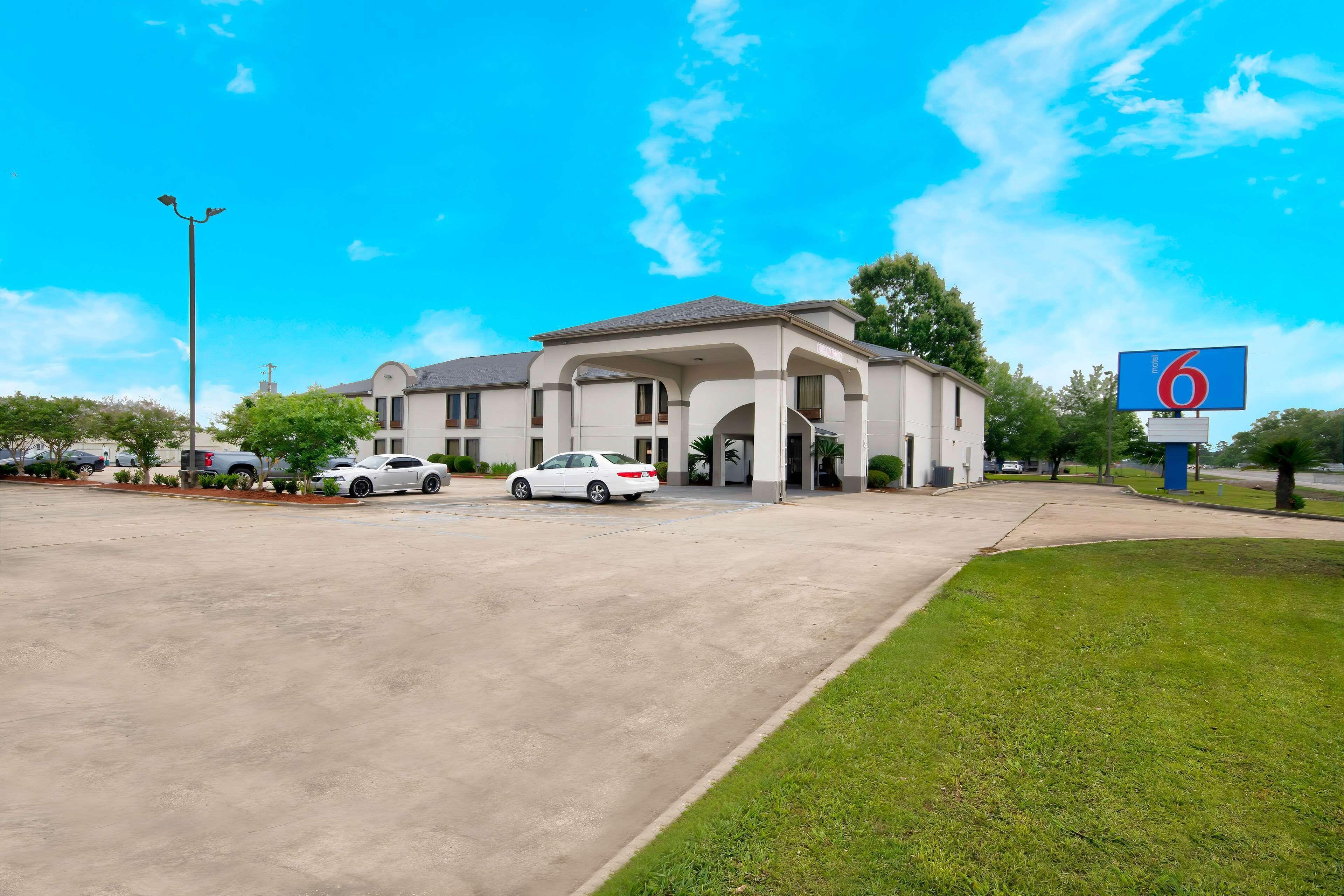
4. Motel 6-Cleveland, Tn
Show on map


 Check-infrom 16:00 until 23:59Check-outuntil 11:00
Hurry – almost gone at this price!
fromUS$ 55
Best Premium Luxury Stay in Tennessee
For travelers prioritizing location, amenities depth, and proximity to Nashville's flagship venues, this Music Row property delivers the most complete urban luxury experience in the state.
-
5. Motif Nashville'S Hotel On Music Row
Show on map


 Check-infrom 16:00 until 23:59Check-outuntil 11:00
Rooms filling fast – secure the best rate!
fromUS$ 151
Smart Travel & Timing Advice for Tennessee
Tennessee's busiest travel windows are April through June and September through October - spring brings CMA Fest and warming temperatures to Nashville, while fall draws visitors across the state for Appalachian foliage, particularly in the Copperhill and Cookeville areas. Nashville hotel rates spike by around 40% during major festival weekends, so booking at least 4 weeks out for Music Row and downtown-adjacent properties is non-negotiable during those periods. Eastern Tennessee properties near Copperhill and Cleveland see moderate seasonal demand increases in fall but rarely face the same inventory pressure as Nashville, meaning more last-minute flexibility exists there. For most Tennessee itineraries, a stay of 3 nights in Nashville plus 2 nights in an eastern or central town gives enough time to cover the key attractions - Ryman Auditorium, Tennessee Aquarium, hiking trails, and at least one scenic drive through the Cherokee National Forest corridor. January and February offer the lowest hotel rates statewide, with significantly reduced crowds, though some outdoor activities near Copperhill and the mountain towns are weather-dependent during those months.